The Warmest Chair in the Room: A Quiet Defence of the Radiator Table

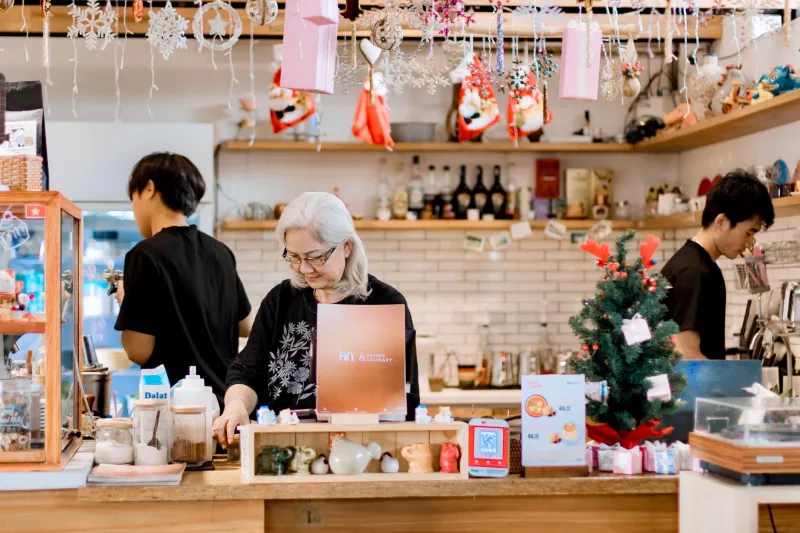
Photo by Photo by micheile henderson on Unsplash on Unsplash
Every neighbourhood cafe has a seat that runs on a different kind of currency. It is not the window table, though that gets the light. It is not the long bench by the back wall, though that gets the plugs. It is the chair nearest the radiator: the warmest chair in the room, and the one that asks the most of everybody else.
You know it as soon as you walk in. There is a faint ticking sound, perhaps. A coat draped over the back of the chair. A pair of gloves placed on the table like a placeholder in a family argument. The radiator itself might be old and slightly uneven, painted over so many times that the ridges have gone soft. It is not fashionable. It is not photogenic. But on a grey November afternoon, it is the best seat in Britain.
The geography of warmth
Cafe seating is usually described in terms of light, space or people-watching. The radiator seat is different. It is chosen for survival. Sit there and you can remove your coat within thirty seconds. Sit two tables away and you keep your scarf on until the tea arrives. Sit by the door and you learn why the regulars all seem to own the same thick jumper.
The radiator seat is rarely in the middle of the room. It tends to be tucked along a wall, often near the counter but not quite at it, close enough to hear the milk being steamed but far enough to avoid being asked to move for the queue. It has a view of either the street or the cake. Sometimes both. It is the sort of seat where you can read a paper, answer an email, or simply stare at the condensation on the window without feeling watched.
In winter, it becomes a small piece of civic infrastructure. People who would never queue for a bus together will share a quiet understanding about that chair. It is not exactly reserved. It is not exactly free. It exists in a kind of warm limbo.
Who gets there first
Regulars will tell you they do not have a favourite seat. They are lying, gently. The radiator table is claimed by routine rather than rules. The early dog walker gets it at half seven. The retired couple who come for porridge get it at nine. The freelancer with the large rucksack gets it at ten and stays until the lunch rush begins to circle. By two, it belongs to whoever is coldest and boldest.
Cafe owners know this better than anyone. Ellen, who runs a small cafe on a side street in Leeds, says the radiator seat has its own social weather. 'You can tell what kind of day it is by who sits there,' she says. 'If it is a quiet Tuesday, it is the man with the crossword. If it is half-term, it is whoever has the smallest child and the largest buggy. We never put a reserved sign on it. That would ruin it.'
She has, however, adjusted the heating around it. 'We used to have the radiator on a timer,' she says. 'But people notice. They notice when it clicks off. The whole room changes. So now we keep it low and steady. It is not about blasting people out of their seats. It is about making them feel they can stay.'
That is the radiator seat's real function. It is not just warm. It is permission.
The rules nobody wrote
The etiquette is rarely spoken aloud, but it is remarkably consistent. First: a coat is not a reservation. A coat on the back of a chair means someone is nearby, probably at the counter, probably watching. A coat on the table means someone has claimed the whole surface and is likely to be there for a while. A scarf draped over the radiator itself is a grey area. Approach with caution.
Second: ask, do not hover. If the seat is empty but the table has a half-finished coffee and a phone on it, the answer is almost certainly no. If the seat is empty and the table is bare, it is fair game. The radiator seat rewards directness. A simple 'Is this one free?' does more for neighbourhood harmony than an hour of passive-aggressive hovering by the cake fridge.
Third: share the warmth. If you have been at the radiator table for two hours and the cafe is filling up, consider whether you are the person who most needs the pipes. This is not a strict rule. It is a nudge. A pensioner with a shopping trolley, a parent with a sleeping baby, a delivery driver on a ten-minute break: they all have a stronger claim than the person who has been nursing one americano since eleven.
Fourth: do not adjust the radiator without asking. This is the great unspoken offence. The radiator valve is not a volume knob. Turning it up may make the seat unbearable for the person next to it, or push the cafe's heating bill into uncomfortable territory. If you are cold, say so. Owners would rather fetch a blanket than have a customer wrestle with the plumbing.
What the owners know
Marcus, who runs a cafe in Bristol with a long, narrow room and two radiators, says the warm seat is a useful barometer of a street's manners. 'We have a table that gets the sun in summer and the radiator in winter,' he says. 'It is the best table in the place. But it is also the one that causes the most quiet negotiation. People are usually lovely about it. They offer it to the older regulars. They move when a family comes in. The only time it goes wrong is when someone treats it like a private office.'
His solution is not a sign. It is a jug of water and a small bowl of biscuits that appears on the radiator table at about three o'clock. 'It softens the claim,' he says. 'If there are biscuits, it feels shared. People linger, but they linger kindly.'
In Glasgow, a cafe owner named Aileen has a different approach. She keeps a folded blanket on the chair next to the radiator. 'It is not stylish,' she says. 'But it tells people that we expect them to be here a while. That is the point of a cafe in winter. You are not just buying a coffee. You are buying twenty minutes out of the cold.'
A small winter kindness
The radiator seat is not really about heat. It is about the small, unglamorous diplomacy of shared space. A street is made of these negotiations: who stands where at the bus stop, who queues first at the bakery, who gets the warm chair by the pipes on a wet Tuesday afternoon.
So if you find yourself in a neighbourhood cafe this month, and the radiator seat is free, take it. But take it lightly. Keep an eye on the door. Offer it up when someone colder walks in. And if the radiator clicks off, do not panic. Someone behind the counter will usually notice before you do.
The warmest chair in the room is not the one that belongs to you. It is the one you are lucky enough to borrow for a while.