Kettle On, Chairs Out: The Quiet Craft of the Winter Warm Room
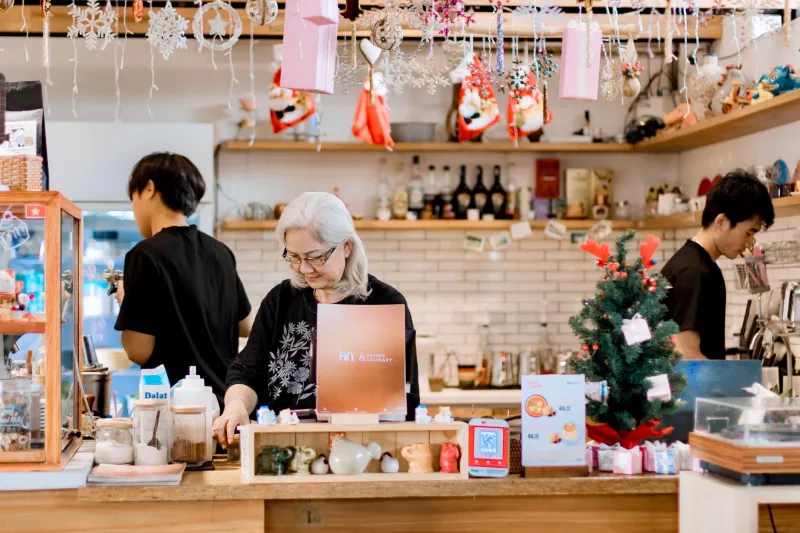
By half four the light has gone and the parade goes quiet. Shopfronts go dark in order, like someone working along the row with a switch. Except one window, which stays lit a little longer than it strictly needs to. Chairs still out. Jug of water on the counter. Somebody's coat over the back of a chair while they finish a chapter.
That's the whole thing, really. The small decision not to stack up at three.
Between the grim, expensive winter of 2022 and the wet, expensive autumn we've just shuffled through in 2026, the neighbourhood cafe quietly picked up a second job. Not officially — no funding, no plaque by the door, nothing in the window except a hand-written note about soup. Just an extra chair pulled across and the Wi-Fi password written big enough to read from the pavement.
What a Warm Space Actually Is, When You Strip It Back
The formal version exists and it's a good thing: councils publish lists, libraries stretch their hours, church halls crank the radiators. Nobody sensible argues with any of that. But the version people actually use tends to be scruffier. It's the cafe where the staff don't clock you at ninety minutes and start sighing. Where the music is low enough to think in. Where the loo is available without a hostage negotiation.
A warm room isn't a service. It's an atmosphere, and atmospheres are fragile. Get it wrong and you've built a drop-in centre with a coffee machine bolted on and no one comes back in February. Get it right and it just looks like a Tuesday.
The Kit List Is Embarrassingly Short
Ask anyone who's done it and the list is basically this: somewhere to sit that isn't facing a queue, a plug socket you're allowed to use, water that gets refilled without being asked for, and a member of staff who makes eye contact. Add a shelf of board games — lids taped, half the pieces gone, a Monopoly nobody will ever finish — and you're most of the way there.
The trickier bits are the invisible ones. Lighting that doesn't feel like an interrogation. A table near the back that isn't the best table in the house, so a solo sitter doesn't feel guilty about taking it. A drinks menu with something under two quid on it, because a warm room where the cheapest item is £3.80 isn't a warm room, it's a velvet rope with better upholstery.
The Arithmetic Nobody Chalkboards
Here's the bit the well-meaning posters leave out: opening the door wider costs money. Heating a room to a temperature that invites loitering is not free. Neither is replacing the milk, washing the extra cups, or paying someone to be there at seven when the first coffee morning starts.
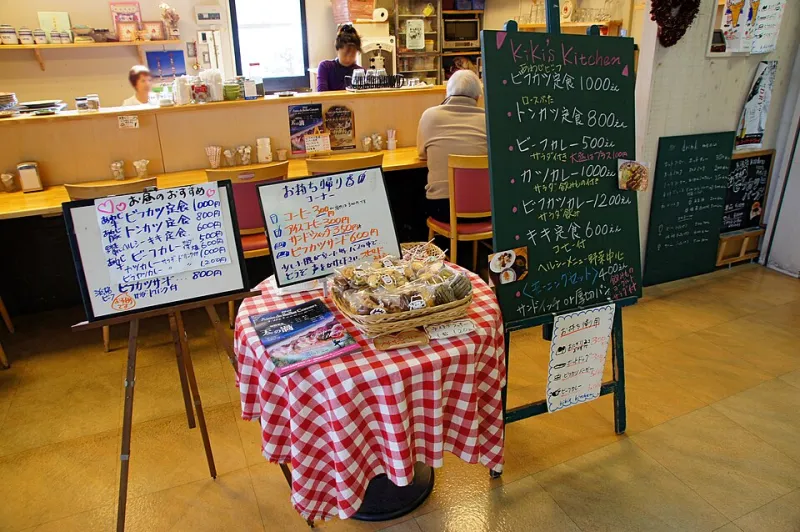
So most of the cafes doing this well are quietly doing sums. They keep the warm-space hours to the dead part of the day — mid-morning after the school run, or that flat stretch between two and four when the room would otherwise be empty and the radiators on anyway. They pair the open door with something that sells: a coffee morning with a £2.50 filter and a plate of biscuits, a board-game afternoon where the table orders a round. The community bit and the commercial bit aren't in opposition; they're sharing a chair.
The cafes that get into trouble are the ones that say yes to everything and then resent it by March. A warm room run by exhausted people stops feeling warm fairly quickly — you can hear it in the way the cups go down on the counter.
Where Hospitality Stops and Something Else Begins
There's a line, and it's worth naming. A cafe can offer a chair, a kettle, and company. It cannot be someone's carer, their crisis service, or the place they sleep. The good ones know this and say so, gently, with a printed card for the people who can help properly.
That's not coldness. It's the opposite. Knowing your limits is what lets you keep the door open next winter instead of burning out by New Year.
Being the Sort of Guest That Keeps the Door Open
If you're using a warm room this winter — for company, for the heating, for somewhere to be that isn't home — a few small courtesies go a long way.
- Buy something, even small. A tea every hour or so. Nobody's counting, but the till is.
- Give up the big table. If a family comes in at noon and you've got a four-top to yourself with a laptop and a cold coffee, shuffle along.
- Take your cups back. It's a two-second job that buys goodwill by the bucketload.
- Join in rather than just occupying. The Scrabble afternoon needs players, not spectators.
- Say thank you on the way out. Genuinely. People remember it.
- Tell a neighbour. The best-advertised warm rooms in Britain are still the ones recommended over a garden fence.
And if you're the one running it: put the hours on a bit of paper in the window, be honest about what you can offer, and don't apologise for charging for the coffee. A warm room with a working till is a warm room that'll still be there in January.
That's the whole trick, in the end. Not charity, not a scheme, not a leaflet from the council. Just a lit window on a dark street and someone who says hello like they mean it.