Five Quid, No Fuss: The Quiet Return of the Honest Set Lunch
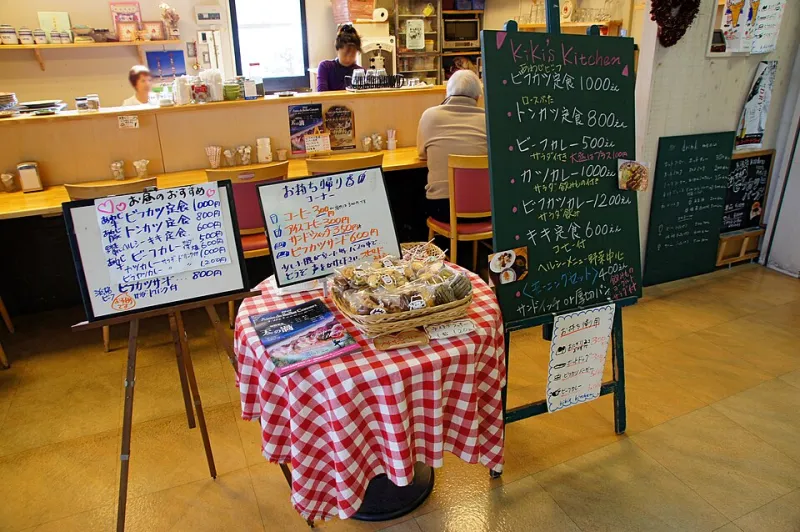
Photo: 663highland, CC BY 2.5, via Wikimedia Commons
There's a chalkboard in a cafe off Abbeydale Road in Sheffield that reads, in blue marker: 'Soup, sandwich, tea. £5. All day, or until it runs out.' It is not a promotion. It is not a January detox offer or a student discount. It has been there, in one form or another, since the autumn of 2024, and it is the reason the room is full at 12.40 on a wet Tuesday.
You may have noticed similar boards near you. In Cardiff, Norwich, Leeds, Glasgow, small independent cafes have spent the past eighteen months quietly repricing lunch downwards while everything else in the country seems to be going the other way. Nobody has made a fuss about it. It's happening below the waterline of food media, in rooms with nine tables and a fridge full of homemade soup.
The chalkboard economics
On paper, a £5 lunch looks suicidal. Most cafe owners I spoke to put ingredient costs at somewhere between 30 and 35 per cent of the price of a plate — so £1.50 to £1.75 gone before you've paid for gas, rent, or the person ladling the soup.
So how does it work? The answer, in almost every case, is that the £5 plate isn't the whole business. It's a traffic driver.
Nadia Okafor runs Brambles, a forty-cover cafe in Sheffield. 'The five-pound lunch is not where we make our money and I'd be lying if I said it was,' she says. 'It's where we make our regulars. Somebody comes in on a Tuesday for soup and a sandwich, and then on Saturday they bring their mum and they have the full breakfast and two cakes. That's the trade.'
At Half Moon Kitchen in Cardiff, Tom Ferris has taken a slightly different route: a flat £5 for a daily set that changes with whatever the market has going cheap. 'We don't print it. We write it on the board at half eight once we know what we've got. Last week it was leek and potato soup with a cheese toastie. The week before it was a frittata and a bit of salad. It keeps the food cost honest because we're not buying to a fixed menu, we're cooking to a fixed price.'
Why now
The obvious answer is the cost-of-living squeeze. But that's only half of it — the reason this is happening in 2026 rather than in 2022 is that the economics of running a small cafe finally forced the issue.
Delivery platforms, which many independents leaned on during the pandemic years, take a commission that can swallow a quarter of the ticket before you've paid for anything. Energy contracts signed at the wrong moment are still working through. The National Living Wage has risen again, rightly, and staffing is now the single biggest line on most balance sheets. Meanwhile footfall in city centres has thinned out, while residential neighbourhoods — where people actually live and work from home — have held up.
Put bluntly: the cafe that survives now is the one that gets the same person through the door three times a week rather than the tourist once a year. A £5 lunch is the most efficient loyalty scheme ever invented.
What forty cheap plates beat twelve expensive ones at
Elaine Yu, who runs Meadow Lane in Norwich, is blunt about it. 'We'd rather sell forty than twelve. Twelve covers at £14 is lovely on paper, but it's fragile. One no-show and the day's gone. Forty covers at five pounds is noisy and busy and the kitchen knows exactly what it's doing by ten past twelve, and at the end of the week the till is more reliable.'
She also points out the hidden savings. A tight set menu means less waste. Batch cooking means cheaper gas per portion. Fewer ingredients means a smaller delivery and less time on ordering. 'People assume cheap means corners cut. Actually it means we stopped buying eight types of bread.'
There's a social function too, and none of the owners were shy about it. The £5 lunch has brought back the people who'd stopped going out at midday: pensioners on a fixed income, parents between the school run and pickup, shift workers, anyone who'd quietly reclassified lunch as a luxury. Several cafes reported that the set lunch is the busiest it's been since before the pandemic — and the demographic is broader than you'd guess.
The catch nobody puts on the board
Here's the honest bit. The £5 lunch is not a sustainable business on its own, and most owners know it. It works because the coffee is £3.40, the cake is £4.20 and the Saturday brunch crowd pays full whack. If you go in, buy the soup, sit for ninety minutes with a laptop and a refillable water, and leave — the model breaks.
There's also a question of quality drift. A £5 plate can be genuinely good, or it can be a sad half-sandwich designed to look like value. The difference is usually visible in about thirty seconds: is the soup made in-house? Is there a vegetarian option that isn't an afterthought? Does the bread come from somewhere with a name?
The ones doing it well have made a conscious choice to trade margin for volume and loyalty. The ones doing it badly have made a choice to trade quality for a headline price, and they won't last the year.
The best-value room in Britain right now
Our view, for what it's worth: the neighbourhood cafe is currently the most reliable place in the UK to eat well for under a tenner. Not the cheapest — the supermarket meal deal still wins that title — but the most reliable. You get a chair, a person who knows your order, and food cooked by someone who has to face you again next week.
The £5 lunch isn't a race to the bottom. It's a re-pricing of what lunch is actually for: not an event, not a treat, not content — just a decent plate in the middle of the day, at a price that doesn't require a decision. Long may it stay on the board.