The Chalkboard Economy: What a Breakfast Roll Really Says About Your High Street

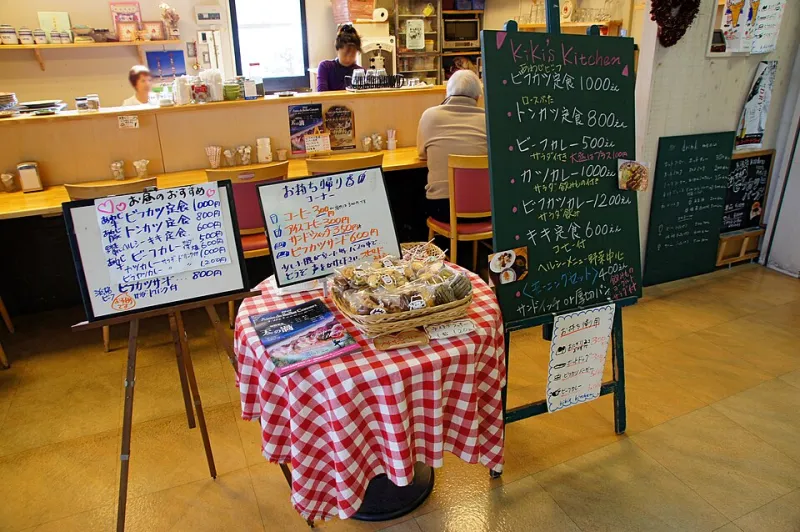
Photo: DiscoA340, CC BY-SA 4.0, via Wikimedia Commons
There are two prices on every high street worth reading. One is the flat white, which has spent the past decade becoming a lifestyle accessory with a corresponding price tag. The other is the breakfast roll, which has quietly remained the most honest number in the window.
A bacon butty does not care about your coffee subscription. It is bread, meat, heat, labour and rent, folded into paper and handed over with a paper napkin. It is bought by builders before a shift, nurses after one, parents on the school run and people who simply want something hot before the bus. That is why the breakfast roll makes such a good barometer: it is too ordinary to be inflated by fashion, and too universal to be ignored.
Why the Butty Beats the Flat White as a Local Indicator
Coffee shop pricing is now a branch of property economics. A flat white in a city centre can cost £4.20 because the beans are single-origin, the milk is oat, the chairs are reclaimed and the rent is eye-watering. The breakfast roll is less aspirational and more revealing. It sits at the junction of local supplier costs, staff wages, business rates and the number of people who walk past the door before 11am.
When a cafe puts £3.00 next to a bacon roll, it is making a promise to its regulars. When it puts £5.50, it is usually telling you something about the street outside: the rents, the footfall, the captive audience at the station, or the fact that the nearest competitor is a supermarket meal deal and the cafe has decided not to fight it on price alone.
A Rough 2026 Price Map
This is not a scientific survey. It is an unscientific scan of chalkboards, paper menus and the cheerful fatalism of local Facebook groups. In central London, a decent bacon or sausage roll now tends to land between £4.50 and £6, with station kiosks and tourist-adjacent cafes pushing higher. In Manchester, Leeds and Sheffield, £3.50 to £4.50 is common. Glasgow and Edinburgh sit in a similar band, though the quality of the bread can vary wildly. Cardiff and Swansea often hover around £3.20 to £4.20. In parts of Newcastle, Sunderland and County Durham, £2.80 to £3.80 still buys you something substantial. In Cornwall, seasonal pricing is real: a £4.50 roll in August may be £3.80 in February, and the same cafe will look at you differently in both months.
The point is not the exact figure. The point is the spread. A £3 breakfast roll in one town and a £5.50 roll in another are not simply different prices. They are different local economies, different leases, different wage bills and different expectations of what a customer will tolerate before they walk away.
What the Number Hides
A cheap roll can mean low overheads and a landlord who has owned the building since 1987. It can also mean cheap bacon, thin bread and a cafe that has not reinvested since the smoking ban. An expensive roll can mean a tourist trap, but it can also mean dry-cured bacon from the butcher two doors down, a sourdough bap from the bakery around the corner and a member of staff who remembers how you take your tea.
Rent is the big one. A cafe with a prime corner site pays for the pleasure, and the chalkboard has to reflect it. Business rates, energy, insurance and staff costs all go into the same sandwich. Footfall matters too: a cafe on a busy bus route can sell forty rolls before 9am and keep the price low; a cafe on a quiet residential street might sell twelve and have to charge more per roll to make the morning worthwhile.
The Value Audit: How to Judge a Roll Beyond the Price
If you want to use the breakfast roll as a neighbourhood barometer, do not stop at the number. Score the whole experience. Is the bread fresh or does it collapse on contact? Is the bacon dry-cured or watery? Does the sausage taste of meat or rusk? Is the egg fried to order or sitting in a tray? Is there butter, or is the roll dry enough to need a drink? Does the price include a brew, or is tea suddenly £2.50?
Then look around. Are there seats, or is this a takeaway hatch? Is there a veggie option that is not an afterthought? Does the cafe open early enough for shift workers? Is there a local paper, a noticeboard, a water bowl for dogs? A £4 roll in a warm room with a friendly welcome can be better value than a £2.50 roll eaten standing up in the rain. The chalkboard gives you the headline; the room gives you the story.
When the Index Lies
No single sandwich can explain a high street. A cheap roll in a town with empty shopfronts and a bus service that stops at 6pm is not a sign of thriving localism; it may simply be a sign that costs are low because demand is low. An expensive roll in a prosperous market town may be perfectly fair, or it may be a warning that the cafe has given up on local trade and is now surviving on weekend visitors.
Use the roll alongside other signals: the market, the library, the bus stop, the school, the number of empty units, the price of a pint in the pub over the road. The breakfast roll is one instrument in the band, not the whole tune.
The Roll as a Civic Barometer
What makes the breakfast roll different from a flat white is that it is a daily habit rather than a treat. Cafe owners know this. They see the same faces at 7.30am, and they know that a 30p increase is not a rounding error to a regular; it is a decision. That is why price rises often appear on the chalkboard with a small apology, a handwritten note or a new deal: roll and tea for £5, because everyone is feeling it.
In 2026, the £3 breakfast roll is still out there, but it is becoming a marker of a certain kind of place: a cafe with low rent, a loyal local trade and an owner who has decided that a fair price is part of the service. When it disappears, it is worth asking what else has changed on the street. The butty is not just breakfast. It is a small, edible census.