The Hot-Water Jug Doesn't Lie: Reading a Café Through Its Tea Pot
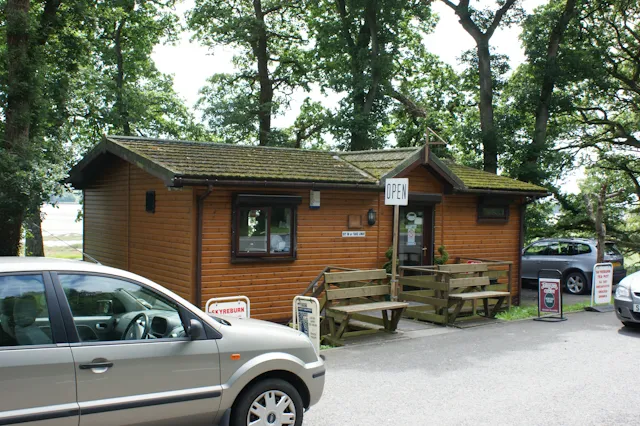
Photo: David Martin, CC BY-SA 2.0, via Wikimedia Commons
On a wet Tuesday in November, a pot of tea for two is not really a drink order. It is a small treaty. Two cups, two saucers, a pot with a chipped spout and a hot-water jug that arrives with the quiet confidence of a referee. Nobody photographs it. Nobody posts it. But if you want to know what a neighbourhood café is really like, order the pot and watch what happens next.
A flat white is a solo performance. A pot of tea is a conversation. It asks the table to slow down, to pour for someone else, to negotiate the second cup and to decide whether the last drop is worth fighting for. In a café that knows its regulars, the pot is not a menu item so much as a piece of social furniture.
The Pour and the Pause
The first pour is easy. The second is where the truth lives. Does the pot hold enough for a proper second round, or is it a theatrical two-cupper that gives up halfway? Does the hot-water jug arrive without asking, or do you have to catch someone's eye and request it like a favour? Is the milk jug cold, or has it been sitting out long enough to develop a skin?
These are not petty details. They are the small mechanics of hospitality. A café that brings a generous jug of hot water is saying: stay a bit longer. A café that brings a tiny thimble of milk and no jug is saying: we have your money, thanks very much. The difference costs pennies. The message is everything.
There is etiquette to the second pour, too. The person nearest the pot usually takes charge, tilting it with a careful wrist and asking, 'Just a top-up?' The person furthest away says, 'Ooh, go on then,' even if they have already had two cups. The last drop is offered, refused, offered again and finally poured into the cup of whoever looks coldest. It is a ritual of small sacrifices, and it happens in cafés up and down the country every morning without anyone calling it a ritual at all.
Leaf, Bag and the Honest Middle Ground
Then there is the tea itself. Leaf tea in a proper pot, with a strainer and a saucer for the soggy leaves, is a lovely thing and increasingly rare. It says the café is paying attention, or at least has a manager who cares about the ceremony. But there is no shame in a bag. A bag in a pot, brewed for the right amount of time and served with decent milk, can be perfectly good. What matters is that the café has made a decision rather than simply defaulted.
The worst pot is the one that has been stewing since the breakfast rush: dark, bitter, tannic and served with an apology already implied. The best is strong enough to take milk but light enough that a second cup still tastes of tea rather than iron filings. 'Builders' strength is a fine thing if you ask for it. 'Gnat's' is a choice too, though a strange one for a pot built for two.
A café that understands its tea will usually understand its coffee as well. It will know that the pot is not a lesser order. It will bring the jug without being asked. It will not make you feel like a problem for wanting a second cup at 10:45 on a Saturday while the flat-white queue curls out of the door.
The Second Pour Is the Whole Point
The second pour is the whole point. It is the reason the pot exists. A single cup is a transaction. A pot is an invitation to linger, to talk about the weather, to read another chapter, to let the rain pass. In a neighbourhood café, that extra twenty minutes is not dead time. It is the business. It is how regulars are made and how a street becomes a place rather than a row of shopfronts.
You can learn a lot from the size of the pot, too. A mean little two-cup pot for two people is a warning: this café is counting. A generous four-cup pot for two is a gift: this café would rather you stayed and ordered a slice of cake than left feeling short-changed. Neither is wrong, exactly, but one of them is more likely to remember your name.
The hot-water jug is the final tell. It costs almost nothing. It takes up almost no space. Yet it says: we have thought about the second cup. We know that tea gets cold. We want you to have it the way you like it. In a British café, that is not a small thing. It is practically a declaration of intent.
So next time you are choosing between the trendy place with the long menu and the slightly scuffed café with the laminated tea list, look at the tables. Look for the pots. Look for the jugs. Look for the two people sharing a pot and arguing gently about who gets the last drop. That is the quietest shared ritual on the high street, and it tells you more about a neighbourhood café than any flat white ever could.