The Free Glass Standard: Reading a Café by Its Water Jug
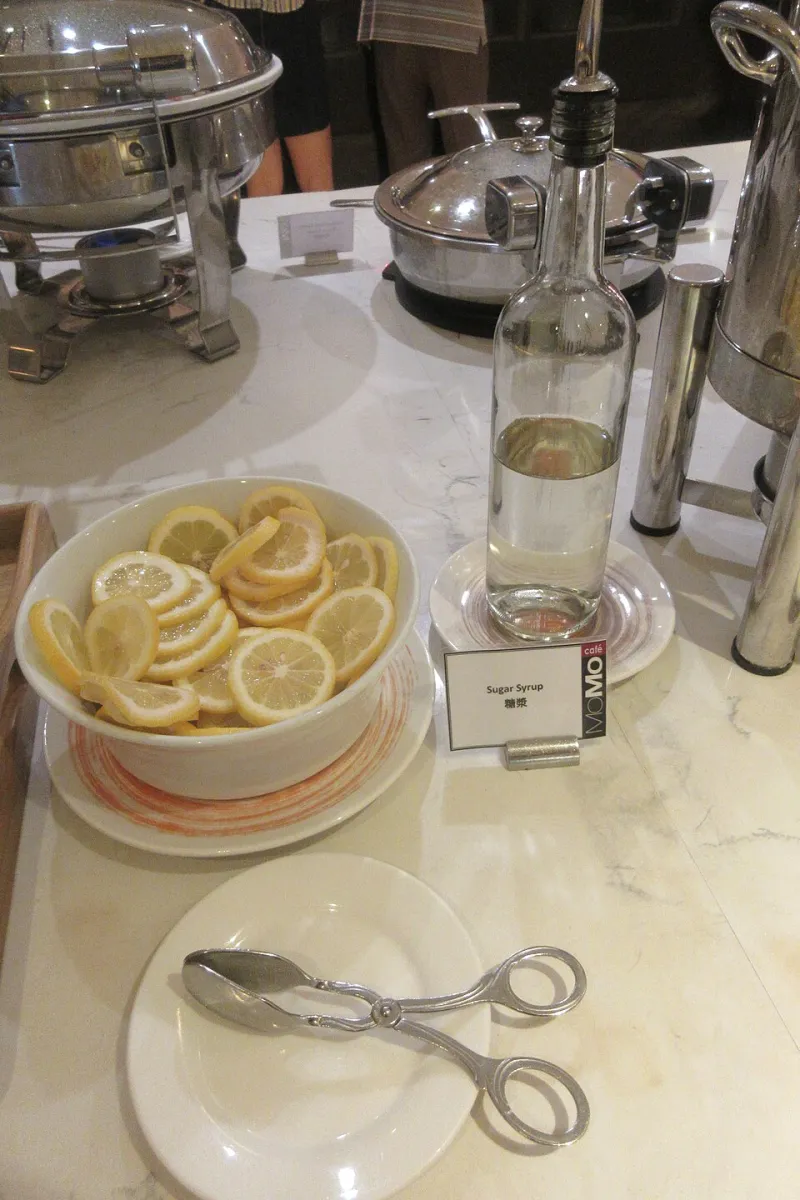
Photo: HIAwoa WOVYAA3, CC BY-SA 4.0, via Wikimedia Commons
Walk into any café and your eyes do a quick audit before you have even joined the queue. Is there a cake stand? A chalkboard? Somewhere to park a buggy? And, increasingly, is there a jug of water and a small stack of glasses waiting for anyone who needs them?
It is a tiny thing. Almost too tiny to notice. But the humble water jug has become one of the clearest signals of how a café understands its place on the high street. Not the coffee. Not the sourdough. The free glass of tap water.
The jug as a small public service
A café is a business, of course. Nobody owes us a free drink with our £3.40 flat white. But a jug on the counter is a small act of civic hospitality. It says: come in, sit down, cool off, warm up, wait for your friend, feed the baby, take your medication, finish your bike ride. It does not ask for proof of purchase. It does not check whether you are a regular. It simply exists.
In 2026, when the price of a bottled drink can make you wince and the weather seems to lurch from drizzle to heatwave without warning, that matters more than it used to. A jug is practical. It is also quietly generous. And generosity, even in small doses, tends to travel.
Three ways a café says help yourself
The self-serve jug is the gold standard. It sits near the cutlery, the napkins or the little shelf by the door. There are glasses beside it, sometimes upside down on a clean cloth, sometimes a neat row on a tray. Nobody watches you pour. Nobody sighs. You can take a glass to the window seat, read three pages of your book and leave without feeling like you have taken advantage.
Then there is the ask-at-the-counter jug. You have to request it. That is not a crime — some places are small, some are busy, some have had bad experiences with children and jugs and gravity. But it changes the atmosphere. You have to make a small case for yourself. You have to interrupt. For most of us that is fine. For a shy teenager, a parent with a pram, or someone whose first language is not English, it is one more hurdle.
The third version is the invisible jug. There is no water in sight. You can ask, and the staff will fetch a glass, but the default is that you probably will not. That is not necessarily unfriendly. It might simply be a tiny café with no counter space and a tap behind the espresso machine. But it does make the room feel a little more transactional. The welcome is there, but you have to unlock it.
The lemon slice question
A slice of lemon is not the point. It is a flourish. A bit of theatre. And yet it tells you something about the person who filled the jug. A café that drops in a lemon slice, a few mint leaves or a couple of ice cubes is saying: we thought about you. It is a small, low-cost kindness that makes tap water feel less like a default and more like a welcome.
But do not confuse garnish with generosity. I have seen jugs with elaborate lemon wheels and no clean glasses. I have also seen plain, unadorned water in a battered glass jug with a stack of mismatched tumblers beside it, and that felt more honest. The lemon is nice. The refill is essential. A café should not need citrus to prove it cares.
What the glass shelf tells you
Look at the glasses. Are they clean? Are they chipped? Are there enough of them? Is there somewhere to put a used glass afterwards, or are you left hovering by the counter wondering whether to hand it back?
A good water station has a kind of low-level choreography. The glasses are within reach. The jug is heavy enough not to tip. There is a little dish or tray for used ones. Nobody has to ask a member of staff where to put anything. It is the same logic as a good bus stop or a decent library returns shelf: small design choices that assume people are sensible and treat them accordingly.
This is the quiet trust test. A café that leaves a jug out is trusting the street not to empty it into a water bottle, knock it over, or use it as a footrest. Most of the time, the street repays that trust. We are, on the whole, a fairly civilised bunch when someone gives us the benefit of the doubt.
The refill economy
There is also the environmental angle, though it is best not to bang on about it. A jug and a glass are not just cheaper than a bottle of water. They are a quiet refusal of the idea that every sip needs packaging. In a small way, a café with a visible water station is part of the same instinct as a refill scheme or a community water tap: use what is already there, share it, waste less.
That does not mean every café has to become a public utility. But the ones that do put a jug out tend to attract a certain kind of traffic. Cyclists clipping in for a top-up. Dog walkers filling a bowl. Parents with a toddler and a sippy cup. Older residents who come in for a pot of tea and a sit-down but need a glass of water with their tablets. None of these people are big spenders, necessarily. All of them make a street feel lived-in rather than merely shopped in.
A quiet test worth taking
So next time you are on your own high street, look for the jug. Is it out? Is it clean? Is there a glass beside it? Does anyone refill it without being asked? Does the person behind the counter nod when you help yourself, or look faintly annoyed?
The answers will not tell you everything about a café. They will not tell you whether the coffee is any good or whether the seats are comfortable or whether the bacon roll is worth the queue. But they will tell you something about how the place sees the street around it. A jug on the counter is a small, daily vote for the idea that a café belongs to more than just the people who can afford to buy something every hour.
And in a neighbourhood, that is worth more than a lemon slice.