Six Crates and a Sticky Door: Inside a Café's Dawn Delivery Round
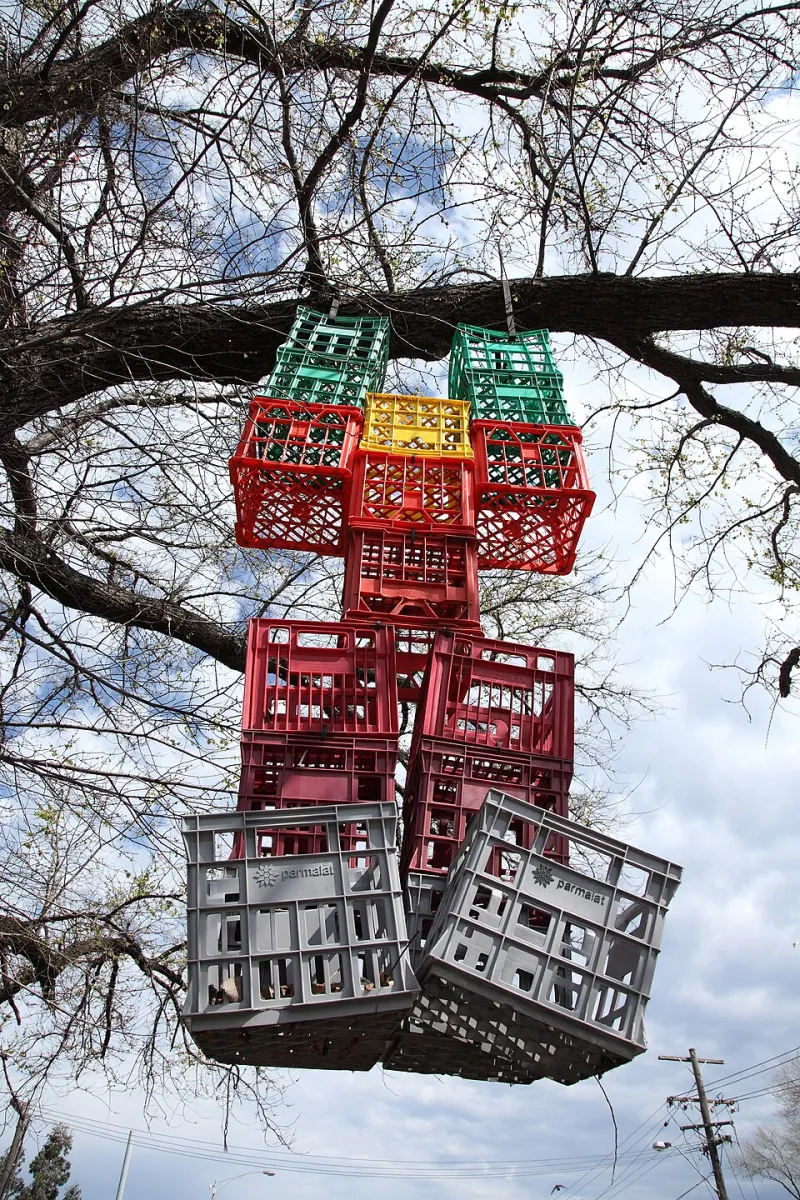
Photo: Kham Tran - www.khamtran.com, CC BY-SA 3.0, via Wikimedia Commons
It is 6:12 on a Tuesday in November, and the high street is still wearing its night face. The charity shop is dark. The bus stop is empty. A fox has left a neat line of prints across the pavement outside the hardware shop. But behind a café on the corner, a door is propped open with a pint of semi-skimmed, and a milk float is humming at the kerb like a patient wasp.
The café does not open until half seven. By then, the first customer will have already peered through the glass, tapped the door and mouthed the word “open?” with the hopeful urgency of someone who needs caffeine before a train. But the real business of the morning started forty minutes earlier, when a driver called Dave knocked twice, waited, then lifted the sticky back door with his shoulder because he knows it swells in the damp.
The first knock
The first knock is rarely dramatic. It is a crate set down, a tray slid onto a stainless steel counter, a quiet “morning” exchanged between two people who have never been to each other's houses but know each other's coffee orders by proxy. The milk float is electric, small and slow. It carries six pints of semi-skimmed, two of oat, one lactose-free and a tub of cream that the owner ordered in a panic last Friday after a rush on scones. The driver knows the back door sticks. He knows the alarm code has been the same for three years. He knows that if the café is closed on a Monday, the order doubles on Tuesday.
This is not the romantic version of a café morning — the one with the sun streaming through the window and a barista sketching a fern in the foam. It is the version with wet crates and a clipboard, and it is arguably more revealing.
What the crates say about the street
A café's delivery list is a small autobiography of its neighbourhood. The bread tray tells you whether the street is a sourdough street or a white-sliced street. The veg box tells you if there are offices nearby, or schools, or a lot of people working from home who suddenly want soup at 12:30. The milk order tells you about families, lone flat-dwellers, the woman who comes in every morning for a latte and a chat about her dog.
“You can read a street by what comes in the back door,” says Maria, who runs a corner café in south London. “When the primary school broke up for half term, our milk order dropped by a third. When the new co-working space opened above the estate agent, we started getting through twice as much oat milk. Nobody filled in a spreadsheet. It just happened.”
Her back door opens onto a narrow alley shared with a barber and a letting agent. The barber takes delivery of cardboard boxes of tonic and pomade. The letting agent gets nothing but post. Maria gets crates, trays, a stack of paper cups on Thursdays and, occasionally, a box of tomatoes from a supplier who grows them in Kent and drives them over himself because he likes the café's bacon sandwiches.
The drivers who know the doors
Delivery drivers are the street's quiet librarians. They know which back door sticks, which one is alarmed, which one has a step that trips you if you are carrying too much. They know that the bakery on the parade opens at 5:30 and the café at 7:30, and that the gap between the two is when the pavement gets swept. They know which owner will offer a coffee and which one will just nod.
“You build up a map in your head,” says Dave, who has been doing the same round for six years. “Not just the addresses. The habits. If I see the lights on early at the café, I know they've had a delivery from the veg man already. If the bins are out the front, I know it's collection day and I'll have to squeeze past. You learn the street the way a postman learns a route.”
This is the part that never makes it onto a café's Instagram feed: the choreography of the back door. The way a tray of bread is angled so it doesn't crush the croissants. The way the milk crates are stacked not by flavour but by how soon they'll be needed. The way a driver will move a bin without being asked because he knows the owner will be carrying hot trays in ten minutes.
Waste, loyalty and the quiet ledger
Deliveries also expose the less romantic truth of running a café: waste. The unsold loaves that go to the food bank. The milk that turns if the weather warms up and the orders don't adjust. The veg that looked good in the wholesaler's catalogue but sits in the fridge because the soup special didn't sell.
Owners talk about waste in hushed tones, but the delivery round makes it visible. A crate returned half-full is a small failure. A crate returned empty is a quiet win. The driver sees both. He also sees the loyalty: the café that sticks with the same small dairy even when the supermarket is cheaper; the baker who drops off an extra loaf on a Friday because he knows the café does a charity breakfast on Saturdays.
“The big spreadsheet says you should order less,” Maria says. “But the spreadsheet doesn't know that the vicar comes in at 8:15 for a bacon roll and a pint of milk for the food bank. So you order a bit more. The driver knows. He leaves it by the door.”
The health of a high street
You can measure a high street by footfall, by empty units, by the number of charity shops. But the first knock at the back door is a cleaner signal. A street with active deliveries is a street with kitchens opening, staff arriving, bread being sliced. A street where the crates stop coming is a street going quiet.
On this November morning, the milk float moves on to the next parade, and the café's back door is closed again. The lights flicker on. The grinder starts. By 7:30, the first customer will be inside, shaking rain off a coat, asking for a flat white and a warm croissant. They will not think about the six crates, the sticky door or the driver who lifted it with his shoulder. But the street will have already had its first conversation of the day — and it will have been about what the neighbourhood needs, one delivery at a time.