The Pane Truth: A Window Seat Field Guide to Your High Street
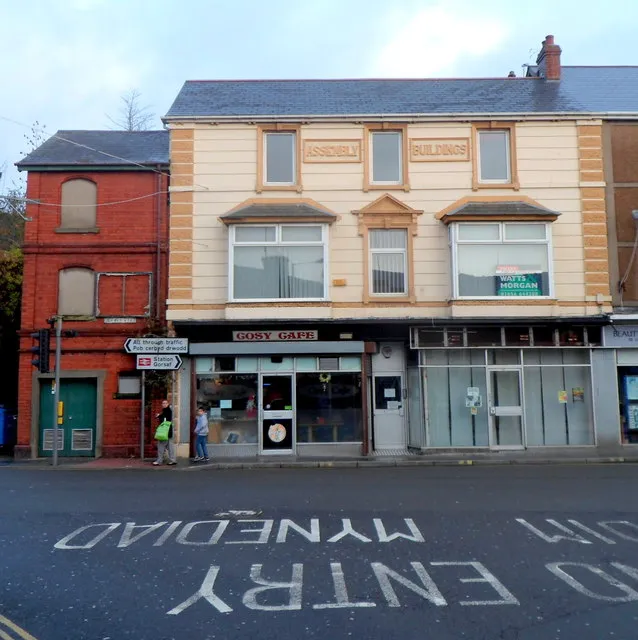
Photo: Jaggery , CC BY-SA 2.0, via Wikimedia Commons
On a damp Tuesday in November, the window seat of a neighbourhood cafe does something no spreadsheet can: it fogs up. First at the edges, then in a soft cloud at eye level, until the view of the pavement becomes a watercolour. Somebody wipes a sleeve across the glass. A child draws a smiley face in the condensation. The door opens, a coat comes in, and the whole street seems to rearrange itself by half a degree.
That is the thing about a good local cafe. It is not only a place to eat and drink. It is a street observatory, and the window seat is the cheapest ticket in town. You do not need footfall data or a high street regeneration report to notice what is happening outside. You just need twenty minutes, a hot drink and a bit of patience.
The first fog of the morning
The pattern of condensation is the first clue. A pane that is fogged at the bottom but clear at the top usually means the cafe has been warm for a while and the street is still cold. The clear patch at eye level is where people have been looking out. It might be the owner watching for the first delivery, or a regular checking whether the bus is running late.
By mid-morning, the glass tells a different story. If the fog has been wiped away in a rough circle near the door, people have been coming and going steadily. If the whole pane is still cloudy, the morning may have been quiet — or the cafe may simply be the kind of place where everyone sits further back, away from the draught.
None of this is science. It is closer to birdwatching. But once you start noticing the small signals, a high street becomes much more legible.
A coat rack is a census
Look at what people are wearing. In November, the coat rack is a better indicator of local life than any shop window display. Heavy waterproofs at half eight suggest a walk to the station. Padded jackets and buggies at ten suggest the school run has finished. A dog lead draped over a chair means the cafe has made itself useful to people who do not want to leave the dog at home.
The hooks also tell you about dwell time. If coats are piled up and nobody is moving, you are in a sit-down kind of cafe. If people keep their coats on and drink standing up, you are on a passing trade street. Neither is better. They are just different ways of being local.
The three o'clock pavement ballet
The school rush is its own little weather system. Just before three, the pavement starts to fill with buggies, scooters and grandparents who have arrived early on purpose. The cafe window becomes the best seat in the house for watching the choreography: the parent who parks the pram at the door, the teenager who walks past with a friend and pretends not to look in, the shopkeeper who puts out the A-board and then thinks better of it.
A street that can absorb this rush without falling apart is a street with good bones. A narrow pavement, a badly placed bin and a delivery van can turn the school run into a scrum. You notice it from the window seat because you are not part of it. You are just warm, holding a cup, watching the neighbourhood do its thing.
The delivery van test
Every high street has a delivery van that never quite fits. It arrives at the worst moment, blocks the pavement, reverses with great seriousness and then leaves. From the window seat, this is high drama.
The van is also a useful measure of how a street works. Does the cafe owner pop out and say hello? Does a passer-by help guide the driver back? Does everyone simply wait, patiently, because this happens every week? A high street that can absorb a badly parked van without losing its temper is usually a high street with a bit of give in it.
What a quiet Tuesday is really saying
It is easy to mistake a quiet cafe for a struggling one. Sometimes that is true. But a quiet Tuesday can also mean half-term, a wet morning, a new office block emptying out, or simply a street that saves its energy for the weekend. The window seat teaches you not to jump to conclusions.
The better signals are mixed ones. Are there different ages in the room? Is somebody reading a paper and somebody else taking a work call? Does the counter keep a small queue moving? Is the noticeboard still being updated? A thriving high street is rarely a perfect picture. It is a place where small things overlap.
How to read your own window seat
You do not need to turn this into a hobby with a clipboard. Just sit for twenty minutes and notice three things: who passes, what they are carrying, and how they move. Are people walking with purpose or drifting? Are they stopping to talk? Is the pavement busy but calm, or busy and frayed?
Then look at the pane. Where has it been wiped? Which side is fogged? If you can see a clear patch at child height, the cafe has probably had a school run crowd. If the glass is clear all the way down, someone has been busy with a cloth. Neither tells you everything, but both tell you something.
The final rule is simple: buy something, say thank you, and do not treat the cafe like a viewing platform. The window seat works best when you are part of the room, not just a pair of eyes at the glass.
The view from inside
A high street is not a dashboard. It is a place where people queue for bread, wait for buses and wipe their sleeves across fogged-up windows. The window seat will not give you a definitive answer about whether your neighbourhood is thriving, struggling or simply having a quiet Tuesday. But it will give you a better question.
And on a cold November afternoon, with the steam rising off a cup and the pavement blurring at the edges, that feels like enough. The pane fogs up. The door opens. The street comes in.