The Last Sausage Roll Rule: Why a Sold-Out Café Is Worth Trusting
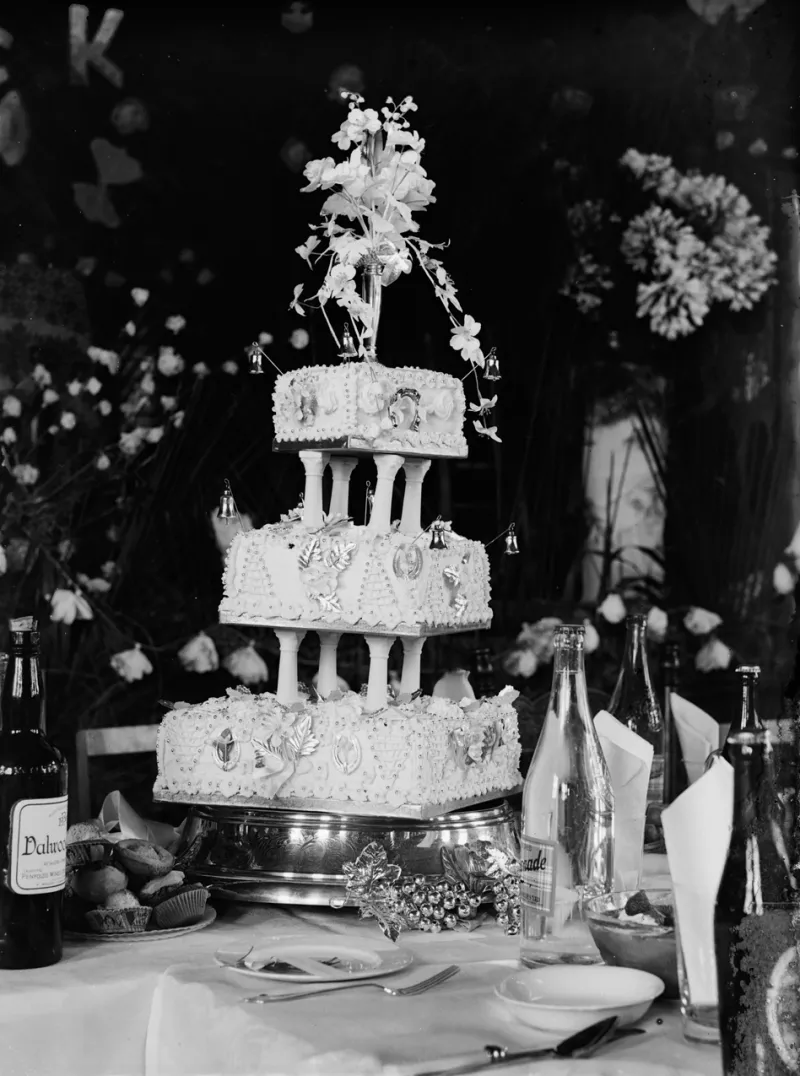
Photo: Collins, Tudor Washington, 1898-1970, photographer, CC BY 4.0, via Wikimedia Commons
At 2.05pm, the tray behind the glass is down to its final sausage roll. The cake stand has been scraped clean, leaving only a few crumbs and a faint ring of icing. On the chalkboard, the soup of the day has a single line through it, and the special has been replaced by the words gone, sorry. If you have just walked in hungry, this is not the sight you wanted. But it is, in its own quiet way, a very good sign.
The chalk line is a promise
A café that runs out is a café that has made a decision. It has not ordered another freezer-load of pastries to sit under cling film until Thursday. It has not decided that every item on the board must be available from opening until closing, whatever the cost to flavour or texture. It has cooked a sensible amount, sold most of it, and accepted the small commercial sting of an empty tray.
That chalked-through line is a promise, really. It says the kitchen would rather disappoint you at two than serve you something tired at four. It says the bread came in that morning, the soup was made in a pot rather than a vat, and the cakes were baked for the day the street was expected to turn up. Running out is not a failure of planning. Very often, it is the plan.
What the empty tray actually says
Look closely at what has gone. The last lonely sausage roll under the dome is usually the one nobody grabbed because it is slightly smaller, or because the pastry has lost a little of its early shine. The fact that it is still there at two tells you the others sold on merit, not because a tray was piled high at dawn and left to sit. The scraped cake stand tells you the Victoria sponge was cut and eaten by real people on a real afternoon, not defrosted in tidy slices for a menu that never changes.
It also tells you something about the street. A café does not sell out by accident every day. It sells out because the school run has its routines, the office workers have their usual hour, the pensioners have their morning table and the Saturday market crowd has its own appetite. When the tray is empty, the café has read the street correctly. It has matched its cooking to the neighbourhood's rhythm rather than to an idealised version of it that never quite turns up.
Kitchen maths and the honest batch
There is a particular kind of café maths that goes on behind the counter. The baker brings what the oven can manage. The butcher makes a batch of sausage rolls rather than a mountain. The soup is built around what came in that week, not what a central menu demands in every season. This is not muddle. It is a kitchen working within its own limits, and limits are often where good food lives.
A café that never sells out can still be excellent, of course. But a café that regularly runs out is showing you its arithmetic. It is weighing up waste, freshness and the risk of an empty tray against the ease of always having something to sell. It has decided that the last sausage roll rule matters more than the comfort of an always-full display. That rule is simple: better to have nothing than to have something that has been hanging around since breakfast.
Reading the board without sulking
If you are planning a visit, a little board-reading goes a long way. Look for language that suggests a daily batch: until it is gone, made this morning, today's bake, limited. These are not marketing flourishes. They are practical warnings. If a café has a chalkboard rather than a laminated menu, read it before you queue, and read it again when you reach the counter. The board is often updated by hand for a reason.
Ask what is still available rather than what has run out. There is a difference between a café that has sold out of the popular thing and a café that has nothing left at all. A good counter will tell you what is still worth ordering: the soup, the toastie, the jacket potato, the tea cake, the last slice of something under the dome. If the special is gone, let it go. The kitchen is not hiding a secret batch out the back. It made what it made.
Timing helps. If you want the full board, arrive before the lunch rush rather than after it. If you want a pastry, mid-morning is usually safer than mid-afternoon. If you want cake, do not assume it will wait for you at four o'clock on a Saturday. And if you are set on a particular dish, ring ahead or check the café's social media if it posts updates. Not every neighbourhood café does, and that is fine. The chalkboard is still the most reliable feed on the street.
The empty tray is a full compliment
There is something likeable about a café that trusts its customers to understand. It does not pretend to be a supermarket. It does not offer all things at all hours. It cooks for the day, sells what it can, and puts the chalk through the rest. When you see that empty tray at two, you are not looking at scarcity. You are looking at a kitchen that has been honest with its ingredients, its neighbours and itself. And that is worth more than a full display any day.