The Shelf by the Door: How a Loaf of Bread Became the High Street's Quiet Handshake
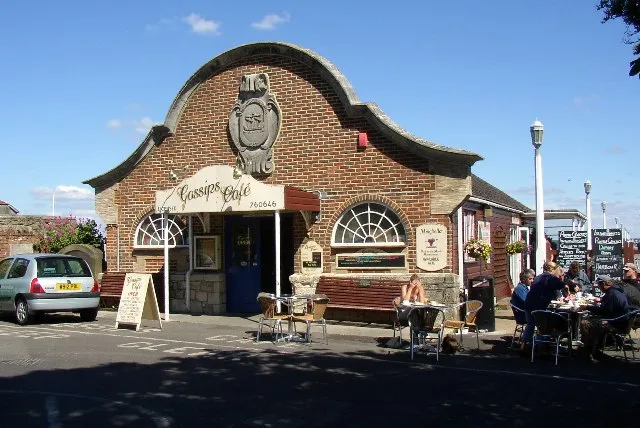
Photo: Humphrey Bolton, CC BY-SA 2.0, via Wikimedia Commons
The shelf is usually small. A wooden crate. A wire rack. Sometimes just a clean tea towel on a side table with a sign that says 'Bread — please help yourself'. It sits by the door of a cafe, near the umbrellas and the free newspapers, and it is easy to miss. But once you start noticing them, you see them everywhere: the bakery that leaves yesterday's loaves out at closing, the community fridge in the corner of a church hall, the 'surplus shelf' in a cafe that has partnered with a local food waste charity.
These shelves are not new. What is new is how ordinary they are becoming. A few years ago, a cafe leaving bread out for anyone to take might have felt like a statement. Now it is often just part of the furniture. And that shift tells you something about the street around it.
The shelf is not a bin
This is the first thing to understand. A free loaf shelf is not a dumping ground for mouldy bread and sad bananas. It is a small, self-regulated distribution point, and the people who run it take it seriously. The bread is checked. The dates are looked at. If something is past it, it goes in the bin, not on the shelf. The shelf is a gesture of trust, but it is not a free-for-all.
In practice, most cafes operate on a simple system. A local bakery drops off surplus at an agreed time. A staff member puts it out with a note. Whoever needs it takes it. The shelf is cleared at closing. Anything left is either taken home by staff or passed on to a community fridge. It is low-tech, low-cost, and surprisingly effective.
The unwritten rules
Every shelf has its own etiquette, and most of it is never written down. Take what you need, not what you can carry. Leave something for the next person. If you take the last loaf, you do not need to confess, but you might want to bring a bag next time. Do not rearrange the shelf. Do not ask the staff to check the dates for you if there is a sign saying 'best before today'. The rules are not there to catch you out. They are there to keep the shelf going.
There is also a quiet understanding about who the shelf is for. It is for anyone. That is the point. The retired man who walks past every morning might take a loaf. So might the student who has run out of money before payday. So might the parent who has three kids and a tight week. The shelf does not ask questions. It does not means-test. It just sits there, being bread.
Dignity and the art of not asking
This is where the shelf becomes more than a food waste initiative. A food bank is a vital thing, but it is also a formal thing: referrals, vouchers, opening hours, a queue. A shelf by the door is informal. You can take a loaf without explaining yourself. You can take it at 8am on your way to work or at 5pm on a Sunday. Nobody writes your name down. Nobody asks if you are sure you need it.
That matters. Dignity is not a luxury. It is part of what makes a high street feel like a place where people belong. A cafe that leaves bread out is saying, without saying it, that the street is a shared space. It is a small thing, but small things add up.
A high street health check
If you want to read a high street quickly, look for the shelf. Not every street has one, and not every street needs one. But where it exists, it tells you something. It tells you there is a cafe willing to be a bit more than a cafe. It tells you there is a bakery or a shop with surplus it would rather give away than throw away. It tells you there is a network — however loose — of people who know each other's names.
It also tells you what the street is worried about. A shelf that is always empty by 10am is a shelf that is meeting a need. A shelf that is never touched is a shelf that might need a better sign, or a different time, or a conversation with the local food bank. Neither is a failure. Both are information.
If you want to start a shelf
Start with a conversation. Ask your local bakery what happens to its unsold bread. Ask the cafe whether they would be willing to host a crate. Ask a community fridge whether they can take what is left at the end of the day. Keep it simple: a crate, a sign, a time, a person responsible for checking it. Do not over-promise. Do not put out anything you would not eat yourself. And do not make it a big deal — the best shelves are the ones that feel like they have always been there.
The loaf test
The next time you are in a cafe, look by the door. If there is a shelf, read the sign. If there is no shelf, ask why. Not in a accusatory way — just out of curiosity. The answer might surprise you. It might be a story about a local bakery, a food waste charity, a neighbour who asked. It might be the start of something. The free loaf shelf is not a solution to food poverty or food waste. But it is a handshake. And on a good high street, handshakes still count.