The Bacon Deadline: Why an Honest 11:30 Beats an All-Day Breakfast
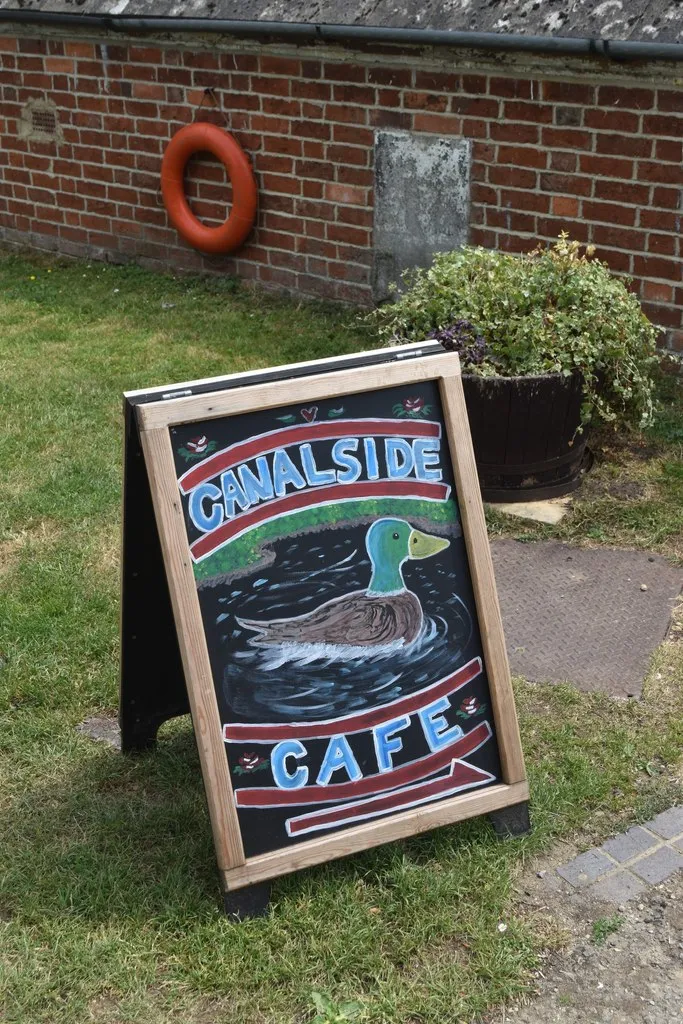
Photo: David Martin , CC BY-SA 2.0, via Wikimedia Commons
There is a moment in every good café when the breakfast board comes down. It is not dramatic. Nobody rings a bell. Someone in a slightly damp apron reaches up, unclips the chalkboard from its hook and turns it to face the wall. It is 11:30. The bacon has stopped. And that, frankly, is as it should be.
The all-day breakfast is one of the great quiet lies of the British high street. It sounds generous. It sounds flexible. It sounds like a café that will welcome you at 3pm with a sausage and a fried egg, no questions asked. In practice, it often means a griddle that has been idling since nine, bacon that was cooked in a batch at ten and kept warm under a lamp, and hash browns that have given up on life altogether.
I am not against a late breakfast in principle. A Sunday lie-in deserves a reward. But there is a difference between a café that serves breakfast late because it has planned for it and a café that serves breakfast all day because it cannot bear to say no. The second kind is not generous. It is just tired.
The Most Political Time on the Clock
Half past eleven is the most political time on a café clock. It sits between the breakfast trade and the lunch trade, between the second coffee and the first sandwich, between the people who are starting their day and the people who are already on their break. A café that keeps breakfast going past that line is making a choice about which customers it values. A café that draws the line is making a different choice.
The best neighbourhood cafés are honest about it. They put the times on the board. They say, 'Bacon stops at half eleven,' without apology. They might even tell you when you walk in at 11:40, before you have settled at a table and taken your coat off. That is not unfriendly. That is respectful. It means the kitchen knows what it is doing, and it means you are not about to receive a plate that has been kept alive by hope and a heat lamp.
The cut-off shapes the whole rhythm of the day. At 11:30, the griddle gets scraped. The eggs go back in the fridge. The lunch prep starts: the soup gets blitzed, the sandwiches get made, the oven comes on for the pies. The staff get a breather. The kitchen resets. By noon, the café is ready for its second act, and the second act is usually better than the first because someone has actually thought about it.
The Quarter-Hour of Dread
Watch a café at 11:15 and you will see the tension. The breakfast board is still up, but the kitchen is already looking at the clock. A customer walks in and asks for a full English. The person behind the counter glances towards the pass. There is a pause. Then: 'We can do it, but the bacon's nearly off.' That pause is the sound of a small business trying to be nice while quietly panicking about its lunch service.
All-day menus hide that tension. They pretend there is no clock. They promise a full English at 4pm and then deliver something that tastes of 9am. The customer is not really getting what they wanted. They are getting the idea of what they wanted, which is never quite the same thing.
There is also the question of space. A café with a small kitchen cannot run two menus at once without one of them suffering. If the griddle is still on at 2pm, the soup pot is probably waiting. If the bacon is still cooking at 3pm, the afternoon cakes are probably being iced in a hurry. The all-day breakfast is often a symptom of a kitchen that has not decided what it wants to be.
What Honesty Looks Like
Honesty looks like a chalkboard with times on it. It looks like a server who says, 'Breakfast finishes at half eleven, but the bacon sandwiches run all day.' It looks like a café that would rather sell you a very good lunch than a very average breakfast at the wrong time of day.
It also looks like confidence. A café that stops serving breakfast at 11:30 is saying that its breakfast is worth getting up for. It is saying that the morning trade matters enough to protect it. It is saying that the kitchen has a plan, and the plan does not involve keeping a griddle warm for stragglers.
So next time you see the breakfast board come down, do not mourn it. Read it as a good sign. The bacon has stopped because the café knows what time it is. That is not a limitation. It is a promise: come back tomorrow, a bit earlier, and we will do it properly.